
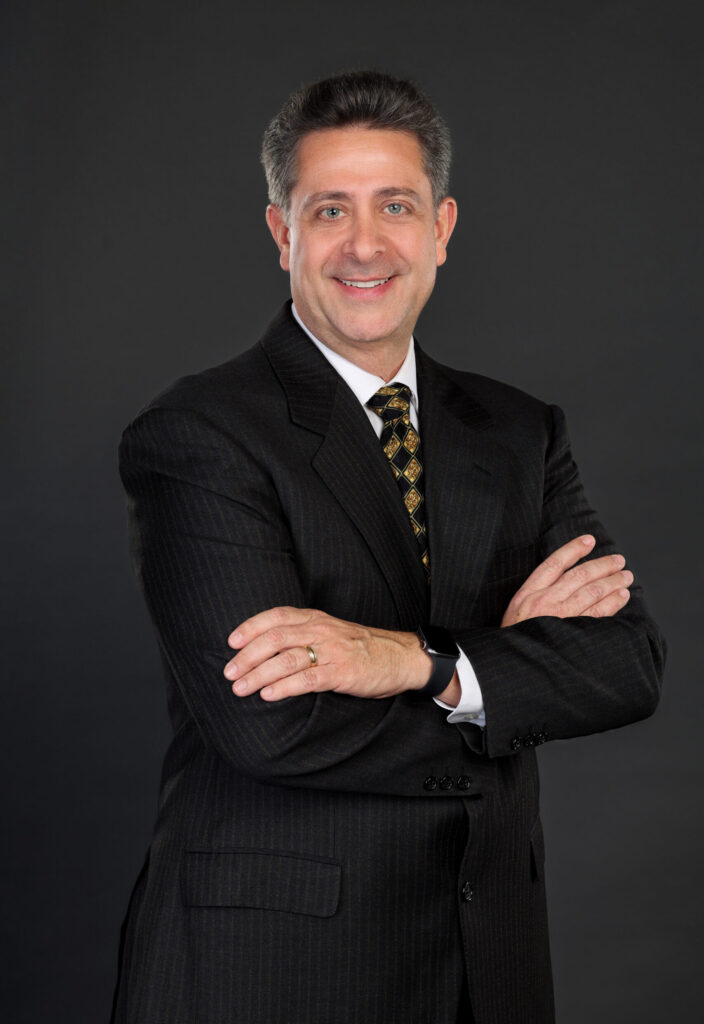
Stewart Abramson: The Serial TCPA Litigator Known as the “Gravy Train”
Stewart Abramson is a documented serial litigator and one of the most prolific professional plaintiffs in TCPA history. Based in Pennsylvania, Abramson has filed hundreds of lawsuits over the last decade, primarily in the Western District of Pennsylvania, targeting energy providers, solar companies, and businesses that use automated dialing systems or prerecorded voices.
Abramson is not a consumer advocate. He is not a victim of occasional telemarketing abuse. He is a serial litigator whose business model depends on extracting statutory damages through high-volume class action filings, earning him the nickname “Gravy Train” from defense-side commentators.
Legal commentators, defense firms, and federal courts have explicitly recognized Abramson as a “serial plaintiff” and “professional plaintiff.” He has been compared to James Sheldon and Andrew Perrong as a “professional in the TCPA space.” Defense lawyers write about him on blogs like TCPALand and TCPAWorld, noting that he has “made a career out of getting telemarketing calls.” The evidence confirms an accurate title: an aggressive serial litigator who has perfected the TCPA class action playbook.
Who Is Stewart Abramson? A Pennsylvania Serial Litigator
Stewart Abramson is a Pennsylvania-based serial litigator associated with hundreds of TCPA lawsuits filed over the last decade. Court records confirm that Abramson is a hyperactive serial plaintiff whose lawsuits focus on automated telemarketing calls, prerecorded messages, and National Do Not Call Registry violations, primarily targeting energy providers, solar companies, and lead generators.
Publicly available litigation records describe Abramson as operating primarily in the Western District of Pennsylvania, which has effectively become his preferred venue or “home court.” His lawsuits target companies nationwide, particularly retail energy suppliers, solar companies, lead generators, and businesses using outbound telemarketing systems.
Defense-side commentators gave Abramson the nickname “Gravy Train” because of his repeated TCPA filings and settlement recoveries. As of 2026, Abramson has been working with TCPA attorneys Anthony Paronich and Jeremy Jackson, signaling a shift toward more aggressively litigated class actions.
His documented filing strategy includes:
- Automated Telephone Dialing System (ATDS) claims
- Prerecorded voice call allegations
- National Do Not Call Registry (DNCR) claims
- Putative nationwide class actions
- Energy-sector targeting involving third-party call centers
- “DNC stacking” tactics involving DNCR registration and call documentation
- Identification of “dead air” or clicking sounds allegedly indicating ATDS use
- Detailed “forensic” pleadings describing call latency and prerecorded scripts
TCPALand referred to Abramson as a serial plaintiff enjoying another ride on the “TCPA litigation gravy train.” Defense attorneys have repeatedly argued that Abramson has essentially built a business around receiving telemarketing calls and converting them into lawsuits.
Professional Profile: The “Serial Plaintiff” Model
Abramson is often mentioned alongside James Sheldon and Andrew Perrong as one of the most active professional TCPA litigators in the country. Unlike ordinary consumers who file a single lawsuit after repeated harassment, Abramson has built a long-running litigation operation centered on TCPA claims.
His lawsuits are typically filed as putative class actions rather than individual actions. That strategy increases settlement leverage because defendants face the risk of enormous statutory damages if a class is certified.
Abramson’s primary venue has historically been the Western District of Pennsylvania, where he has filed a large concentration of cases against out-of-state defendants. His targets commonly include retail energy suppliers, solar providers, lead-generation companies, and businesses using third-party outbound call centers.
Settlement values in Abramson’s cases reportedly range from approximately $20,000 to well over $100,000 depending on the exposure and procedural posture of the case.
In early 2026, Abramson significantly increased his filing activity while aligning himself with high-profile TCPA class action counsel Anthony Paronich and Jeremy Jackson. That move suggests a transition from smaller individual resolutions toward larger and more complex class litigation.
The Standing Challenge: Abramson’s “Professional Plaintiff” Status
One of the most important legal battles involving Abramson concerned whether a serial TCPA plaintiff can still establish Article III standing.
Abramson v. Oasis Power LLC (2018)
In Abramson v. Oasis Power LLC, the defendant argued that Abramson lacked standing because he was effectively a professional plaintiff who intentionally sought out telemarketing calls in order to file lawsuits.
The defense argued:
- Abramson was “in the business” of TCPA litigation
- He purposely engaged with companies to generate claims
- He welcomed telemarketing calls rather than being annoyed by them
- He lacked a genuine invasion-of-privacy injury
Oasis Power presented evidence showing that Abramson had already filed at least 28 TCPA lawsuits nationwide as of 2018. The company also highlighted earlier default judgments Abramson had obtained, including awards of $24,000, $6,000, and $13,500 in separate cases.
The defense relied heavily on Stoops v. Wells Fargo Bank, N.A. (2016), where a court dismissed claims brought by a plaintiff who had allegedly purchased cell phones solely to receive robocalls and generate TCPA litigation.
Abramson responded that private enforcement through statutory damages is exactly what Congress intended when enacting the TCPA.
The Court’s Ruling
The court rejected the standing challenge and ruled in Abramson’s favor.
The judge concluded that:
- TCPA violations involve concrete privacy injuries
- Calls directed at Abramson personally constituted individualized harm
- Filing many TCPA lawsuits does not eliminate standing
- Congress intentionally used statutory damages to incentivize private enforcement
The court stated:
“Becoming a professional plaintiff does not mean that plaintiff has forfeited his right to privacy and seclusion because the alleged calls were not truly unwanted.”
The court also explained that statutory damages are designed to encourage private enforcement of the law through financial incentives.
This ruling became one of the most important precedents protecting serial TCPA plaintiffs from standing-based dismissal arguments.
The Abramson Playbook: Litigation Tactics
Abramson’s litigation success is built around a repeatable playbook targeting technical TCPA compliance failures.
One common tactic is “DNC stacking.” Abramson allegedly ensures his number is listed on the National Do Not Call Registry, waits for the statutory grace period to expire, and then carefully documents any additional calls received afterward.
Abramson is also known for identifying characteristics of prerecorded or automated calls, including periods of “dead air,” clicking noises, delayed responses, and prerecorded messaging patterns.
Rather than pursuing isolated claims, Abramson usually files putative class actions. That dramatically increases potential exposure and pressures defendants into settlement discussions.
Another defining characteristic of his lawsuits is heavy targeting of the retail energy and solar sectors, industries that frequently rely on outsourced telemarketing vendors and lead-generation systems.
Following earlier jurisdictional dismissals, Abramson’s 2026 complaints became substantially more detailed. He now includes highly technical descriptions of call timing, latency, prerecorded scripts, and alleged dialing-system behavior in an effort to satisfy modern pleading standards.
Landmark Case: Abramson v. AP Gas & Electric
Abramson v. AP Gas & Electric became another important case in the evolution of Abramson’s litigation enterprise.
The defendant argued that Abramson lacked standing because he was not genuinely annoyed or harmed by the calls. The company also argued that it should not be liable for the conduct of third-party vendors.
The court nevertheless allowed Abramson’s claims to proceed, ruling that the TCPA protects consumers regardless of how many lawsuits they have previously filed.
The court also allowed vicarious liability claims to continue, meaning defendants could potentially remain responsible for actions committed by outside vendors or marketing partners.
The case reinforced the broader trend that professional plaintiff status alone is generally insufficient to defeat TCPA claims.
2026 Venue Transfer Problems
In 2026, defendants began successfully challenging Abramson’s preferred litigation venue.
Abramson v. All American Power and Gas
Defendants argued that Abramson’s lawsuits should be transferred out of Pennsylvania because the relevant witnesses, records, call systems, and operational activities were located elsewhere.
Courts increasingly agreed to consider transfer requests.
This development significantly reduced Abramson’s home-court advantage. Instead of litigating in the familiar Western District of Pennsylvania, Abramson now faces proceedings in multiple jurisdictions across the country.
Venue transfers increase litigation costs, reduce procedural familiarity, and shift strategic leverage toward defendants.
As NW Debt Resolution noted, courts have become increasingly skeptical that Pennsylvania is always the most appropriate forum for these disputes.
The First-Filed Rule Challenge
Abramson’s filing strategy also encountered problems under the first-filed rule.
In Abramson v. Line 5, LLC, defendants argued that Abramson’s lawsuit duplicated an earlier-filed case involving similar allegations and the same counsel.
The court agreed and transferred the case to the Middle District of Pennsylvania.
The ruling emphasized:
- Nearly identical complaints
- Shared counsel
- Overlapping allegations
- Earlier-filed competing litigation
This created another vulnerability for Abramson’s high-volume filing model because duplicate class actions can now face transfer or consolidation challenges.
Abramson v. R.R.K. Inc. d/b/a Empire Numismatics
Abramson also filed claims against R.R.K. Inc. d/b/a Empire Numismatics involving alleged robocalls promoting coin and precious metal investments.
The case remained active through 2025 and 2026, with fact discovery scheduled through May 2026.
One notable aspect of Abramson’s litigation style is his strict compliance with scheduling orders and ADR obligations. Unlike less sophisticated serial litigants, Abramson is generally viewed as highly disciplined procedurally, which makes dismissal for failure to prosecute far less likely.
Judicial Credibility Concerns in 2026
Although Abramson continues to survive most standing challenges, some courts are becoming more skeptical regarding damages claims tied to emotional distress or annoyance.
Several judges have questioned whether Abramson is truly distressed by telemarketing calls given his extensive litigation history and apparent financial incentive to receive such calls.
Still, the Oasis precedent continues to provide significant protection against outright dismissal.
Defendants have occasionally sought sanctions against Abramson for aggressive litigation tactics, but major sanctions have largely been avoided.
The Financial Impact: The “Gravy Train”
Abramson has recovered significant money through TCPA litigation.
Known early recoveries included:
- $24,000 default judgment
- $6,000 default judgment
- $13,500 default judgment
Those figures represented only a small portion of Abramson’s litigation activity as early as 2018. Since then, he has filed hundreds of additional cases with settlements reportedly ranging from $20,000 to more than $100,000.
Defense-side commentators use the phrase “gravy train” to describe Abramson’s ability to repeatedly monetize TCPA litigation through high-volume filings.
How Abramson Compares to Other Serial Litigators
Stewart Abramson differs from some of the more controversial serial litigators in important ways.
Unlike Stanley Hastings, Abramson has not been accused of using fake identities such as “Marvin Taeese.”
Unlike Anton Ewing, Abramson has no known criminal stalking conviction.
Unlike some litigants accused of deception under oath, Abramson has not admitted to fabricating evidence or falsifying identities.
However, Abramson remains one of the most prolific serial TCPA litigators in the country. His filing volume, litigation structure, and repeated use of class actions clearly demonstrate a litigation-for-profit business model.
The Mey v. DirecTV Lesson
Earlier jurisdictional setbacks in Mey v. DirecTV taught Abramson the importance of detailed pleadings.
After encountering jurisdictional and plausibility challenges, Abramson adapted by filing more technically detailed complaints describing call behavior, latency, prerecorded prompts, and dialing characteristics.
Those “forensic” pleadings became a defining feature of his later litigation strategy.
The Paronich & Jackson Connection
Abramson’s partnership with Anthony Paronich and Jeremy Jackson in 2026 marked a major strategic shift.
Before 2026, Abramson handled much of his litigation independently or through smaller-scale TCPA arrangements.
By partnering with established TCPA class action counsel, Abramson appears to be pursuing:
- Larger nationwide class actions
- More aggressively litigated cases
- Stronger procedural positioning
- Greater resistance to defense motions
The move also signals that defendants should expect increasingly sophisticated litigation tactics moving forward.
What Abramson Means for Businesses
The Abramson litigation enterprise provides several important lessons for companies using telemarketing systems.
First, courts have repeatedly ruled that even serial litigators can have standing under the TCPA.
Second, venue selection matters. Defendants are increasingly successful at moving Abramson’s cases outside Pennsylvania.
Third, the first-filed rule can be an effective defense against duplicative class litigation.
Fourth, generic complaints are no longer sufficient. Abramson’s modern complaints include highly detailed factual allegations designed to survive dismissal motions.
Fifth, DNCR compliance remains critically important because Abramson heavily relies on documented Do Not Call violations.
Finally, prerecorded calls remain highly risky without prior express written consent.
Frequently Asked Questions
Is Stewart Abramson a serial litigator?
Yes. Public court records and legal commentary confirm Abramson has filed hundreds of TCPA lawsuits over the last decade. Courts and defense commentators frequently describe him as a “serial plaintiff” and “professional plaintiff.”
Why is Abramson called the “Gravy Train”?
Defense-side commentators use the term because Abramson has generated substantial recoveries through repeated TCPA filings and settlements.
What industries does Abramson target?
He primarily targets energy providers, solar companies, retail energy suppliers, lead generators, and businesses using automated dialing systems or prerecorded calls.
What is DNC stacking?
It refers to placing a number on the National Do Not Call Registry, waiting for the grace period to expire, and documenting later calls as TCPA violations.
Has Abramson defeated standing challenges?
Yes. Abramson v. Oasis Power LLC established that professional plaintiffs can still have standing under the TCPA.
Are Abramson’s cases being transferred out of Pennsylvania?
Yes. Courts increasingly transfer cases to jurisdictions where witnesses, records, and equipment are located.
Who represents Abramson in 2026?
Abramson is working with TCPA attorneys Anthony Paronich and Jeremy Jackson.
Does Abramson have a criminal history?
No known criminal history has been identified in publicly available litigation commentary.
Final Thoughts: The “Gravy Train” Keeps Rolling
Stewart Abramson is not an occasional TCPA plaintiff. He is a highly sophisticated serial litigator who has built a long-running litigation enterprise around telemarketing lawsuits.
His playbook includes DNC stacking, prerecorded-call analysis, putative class actions, detailed forensic pleadings, and strategic venue selection. He has survived major standing challenges and adapted his tactics as courts tightened pleading standards.
At the same time, courts are beginning to scrutinize aspects of his litigation strategy more closely. Venue transfers are weakening his Pennsylvania advantage. Judges are questioning emotional-distress claims. The first-filed rule is creating procedural complications.
Still, Abramson remains one of the most active and effective professional TCPA litigators operating today.
The “Gravy Train” may be facing rougher tracks, but it is still moving.
Sources & References
Primary Sources – Stewart Abramson (Litigation)
https://tcpaland.com/serial-plaintiff-enjoys-another-ride-on-the-tcpa-litigation-gravy-train/ (TCPALand “Serial Plaintiff Enjoys Another Ride on The TCPA Litigation Gravy Train”)
https://tcpaworld.com/2023/02/07/ap-gas-electric-fights-back-against-tcpa-claims-western-district-of-pennsylvania-rules-on-three-motions/ (TCPAWorld AP Gas & Electric ruling)
https://www.nwdebtresolution.com/post/heads-up-your-tcpa-lawsuit-could-be-transferred-out-of-town (NW Debt Resolution venue transfer analysis)
Abramson v. Oasis Power LLC, No. 2:18-cv-00479, 2018 U.S. Dist. LEXIS 129090 (W.D. Pa. July 31, 2018)
Abramson v. AP Gas & Electric, PA, LLC (W.D. Pa., rulings 2023-2025)
Abramson v. Line 5, LLC, 2025 U.S. Dist. LEXIS 184573 (first-filed rule transfer)
Abramson v. All American Power and Gas, PA, LLC (venue transfer)
Abramson v. R.R.K. Inc. d/b/a Empire Numismatics (active 2025-2026)
Mey v. DirecTV (earlier jurisdictional dismissal)
Secondary Sources – Legal Commentary
https://www.classaction.org/media/abramson-v-all-american-power-and-gas-pa-llc.pdf (class action filing)
https://dockets.justia.com/docket/pennsylvania/pawdce/2:2026cv00209/327447 (Justia docket content inaccessible)
https://www.casemine.com/judgement/us/63e32556653912571dcc48d9 (CaseMine content inaccessible)
https://unicourt.com/case/pc-db5-abramson-v-ap-gas-electric-pa-llc-1289707 (UniCourt content inaccessible)
Related Precedent
Stoops v. Wells Fargo Bank, N.A., 197 F. Supp. 3d 782, 800 (W.D. Pa. 2016) (Troutman victory standing denied for plaintiff who bought phones solely for TCPA litigation)
Disclaimer
This article presents information based on publicly available court filings, legal commentary, media reporting, and judicial rulings. The characterization of Stewart Abramson as a “serial litigator,” “professional plaintiff,” and “serial filer” is supported by the documented evidence cited herein, including explicit labeling by legal publications and documented serial filing patterns involving hundreds of cases over more than a decade. This article is provided for informational and educational purposes only and does not constitute legal advice.